Induktionskochfeld Rahmenlos Angebot

Induktionskochfeld Rahmenlos Angebot
Add a review FollowOverview
-
Founded Date June 20, 2014
-
Posted Jobs 0
-
Viewed
Company Description
The Leading Reasons Why People Perform Well With The Built-in Oven Test Industry
The Ultimate Guide to Testing Built-in Ovens: Ensuring Performance and Quality
When acquiring a built-in oven, the experience should be both thorough and systematic. Provided the developing nature of cooking area technology, consumers and experts alike must be equipped to test ovens successfully. This guide sets out a detailed approach for anyone intending to examine a built-in oven, guaranteeing the appliance meets expectations for Unterbau Geschirrspüler Preis performance, performance, Induktionskochfeld 80 Backofen Einbau 60 Cm Angebot Autark Mit Rahmen Cerankochfeld Günstig Kaufen (https://md.chaosdorf.de) and safety.
Comprehending Built-in Ovens
Built-in ovens are developed to effortlessly incorporate into cooking area cabinetry, developing a structured appearance and taking full advantage of space efficiency. Unlike freestanding ovens, built-ins can frequently offer sophisticated functions like accurate temperature level control, self-cleaning choices, and various cooking modes, which can substantially improve the cooking experience.
Key Features of Built-in Ovens
| Feature | Description |
|---|---|
| Size | Offered in different widths (24″, 30″, 36″) to fit various kitchen styles. |
| Types | Wall ovens, slide-in ovens, and convection ovens. |
| Control Systems | Touch screens, knobs, or a combination of both for ease of use. |
| Thermal Circulation | Convection cooking allows for even heat circulation. |
| Self-cleaning | Many designs offer problem-free self-cleaning settings. |
| Safety Features | Consists of automated shut-off, child locks, and temperature lock systems. |
The Built-in Oven Testing Process
When it concerns testing built-in ovens, a structured method can cause a comprehensive understanding of the appliance’s capabilities.
1. Preliminary Inspection
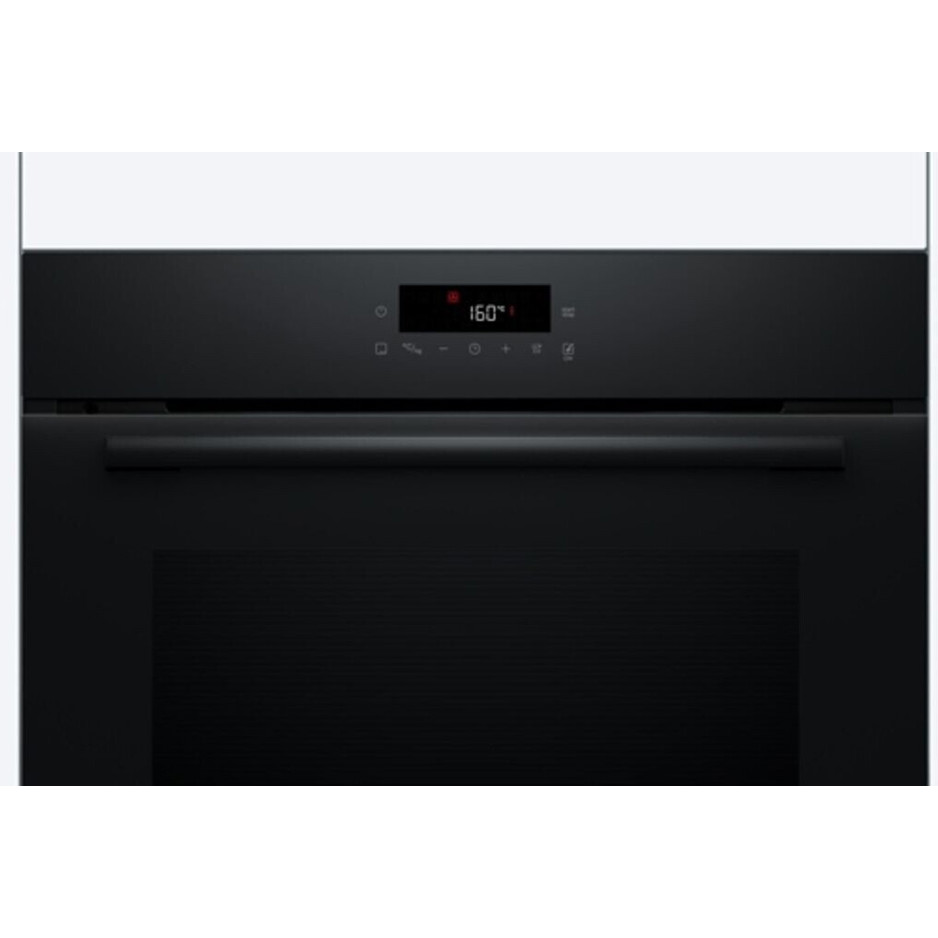
Before any cooking begins, it’s crucial to carry out a visual check of the oven.
- Exterior Examination: Look for any indications of damage, ensure that the setup is safe, which the hinges and handles run smoothly.
- Interior Inspection: Check the interior surfaces for cleanliness and any indications of damage that might impact cooking efficiency.
2. Functional Tests
Practical tests ought to be performed to verify that all features are working as promoted.
Temperature level Accuracy
One of the most important elements of cooking performance is temperature level accuracy. Use an oven thermometer to verify the actual temperature level versus the oven’s settings.
- Process:
- Preheat the oven to 350 ° F
- . After 20 minutes, place an oven thermometer inside.
- Compare the thermometer’s reading to the display screen.
| Setting | Shown Temp ( ° F | )Actual Temp ( ° F | ) |
|---|---|---|---|
| Difference(° F)350 | 350 347 | -3 | |
| 450 | 450 | 455 | +5 |
| 375 | 375 | 370 | -5 |
3. Cooking Tests
After confirming the oven runs properly, it’s time to test its cooking abilities utilizing a variety of common tasks.
Baking Test
- Goal: Evaluate the consistency of baking and the capability to increase.
- Technique: Bake a standard cake recipe and monitor rising and browning levels.
Roasting Test
- Goal: Assess roasting performance, especially for meats.
- Method: Roast a chicken and inspect the following: internal temperature level, browning, and wetness retention.
| Function | Assessment |
|---|---|
| Browning | Even browning without locations |
| Wetness | Juiciness of the internal meat |
| Cooking Time | Precise cooking time per weight of chicken |
4. Energy Efficiency
Assessing energy efficiency is essential, specifically in today’s eco-conscious environment. Check the oven’s energy score and run energy usage tests.
| Test | Before Use | After Typical Use | Difference |
|---|---|---|---|
| Electrical energy Consumption (kWh) | 1.5 | 2.3 | +0.8 |
5. Cleanup and Maintenance
Finally, evaluate how easy it is to clean up the oven after use.
- Surface area Material: Stainless steel versus enamel-coated surface areas.
- Self-cleaning Function: Does it efficiently remove food residue?
6. Extra Features Testing
Numerous built-in ovens come with added functionalities. Evaluate each feature to comprehend their usefulness.
| Feature | Description | Assessment |
|---|---|---|
| Smart Controls | Capability to manage through mobile phone; check connection and functionality. | Practical test |
| Multi-cooking Modes | Assess alternatives like steam, roast, broil, etc. | Test various modes |
| Temperature Alerts | Notifies when a set cooking temperature is reached. | Verification of sound and visibility |
Regularly Asked Questions (FAQs)
1. How do I choose the ideal built-in oven for my cooking area?
When choosing a built-in oven, consider your cooking design, kitchen space, preferred features, and spending plan. Examine dimensions, specifications, and style compatibility with your cooking area design.
2. What is the average life-span of a built-in oven?
Generally, a properly maintained built-in oven can last anywhere between 10 to 15 years, depending on usage, brand, and upkeep practices.
3. How can I ensure the precision of my oven’s thermostat?
Using an oven thermometer is the most efficient technique. Routinely examine your oven’s temperature to guarantee it stays consistent.
4. What safety features are essential in a built-in oven?
Secret security features ought to include automatic shut-off, kid security locks, and temperature level control systems to prevent getting too hot.
Evaluating a built-in oven needs a careful method to ensure that it satisfies the specific needs of the home. By following a structured procedure, consumers can feel great in their purchasing decisions, resulting in improved cooking experiences and much better kitchen area performance. With the ideal testing techniques and factors to consider, purchasers can discover an oven that integrates effectiveness, usefulness, and design, creating a focal point for any modern kitchen.